
Denmark's 26-man squad for the World Cup lands with a familiar spine and a couple of raised eyebrows. Kasper Hjulmand stuck to his trusted core—Kasper Schmeichel in goal, Simon Kjær marshalling the back line, Pierre-Emile Højbjerg and Christian Eriksen pulling strings in midfield. No real shocks there. The interesting part is the fringe. Anders Dreyer's late-season surge at Anderlecht earned him a spot。while the omission of a certain veteran full-back sparked debate on Danish radio the morning the list dropped. Hjulmand values continuity, but he's not immune to form.Denmark's 26-man squad for the World Cup reflects a manager who trusts his system over individual flair. The wing-back roles are critical—Joakim Mæhle on the left and Alexander Bah on the right offer relentless running, but neither is a natural defender. That's the trade-off. Hjulmand accepts it because the midfield compensates. Højbjerg's positioning discipline allows the wing-backs to push high, and Eriksen's range means Denmark can switch play quickly. Watch for Morten Hjulmand—the Sporting midfielder is the squad's quiet enforcer, a player who rarely makes headlines but shifts the tempo. He's the kind of inclusion that tells you the coach has watched every minute。not just the highlights.Up front。the picture is less settled. Rasmus Højlund is the nominal No. 9, but his raw pace and erratic finishing make him a wildcard. Yussuf Poulsen offers a more physical option, and Andreas Skov Olsen can drift inside from the right. The absence of a pure poacher—a Kasper Dolberg type—is a calculated risk. Denmark's 26-man squad for the World Cup leans on fluid front-three rotations rather than a fixed target man. In tight knockout games, that flexibility can be a strength or a frustration. My take: Hjulmand will start Højlund against weaker group opponents and switch to Poulsen for the tougher physical battles. It's pragmatic, if not always pretty.
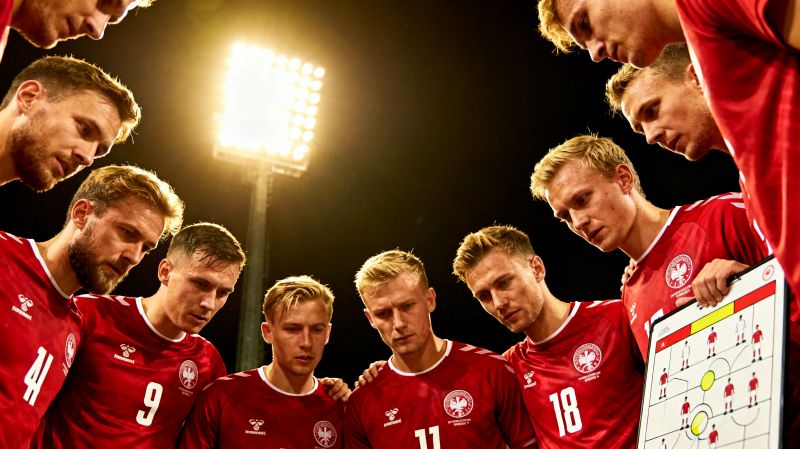
Defensive depth is where this squad really earns its stripes. Kjær's leadership is irreplaceable, but Andreas Christensen's ability to step into midfield adds a layer. Joachim Andersen's passing from deep is underrated—he can break lines from his own half. The full-back cover is thinner: Rasmus Kristensen is solid but unspectacular, and Victor Nelsson can fill in at right-back if needed. That's a vulnerability. One injury to Mæhle or Bah and the wing-back system creaks. Hjulmand knows it. He's gambled on midfield versatility—Christian Nørgaard can drop into a back three if required—rather than carrying an extra specialist defender.Denmark's 26-man squad for the World Cup won't intimidate anyone on paper. No Ballon d'Or contenders, no household names beyond Eriksen and Schmeichel. But this group has a collective edge—the kind that comes from years of playing together, from the traumatic events of Euro 2020, from the quiet conviction that they're better than the sum of their parts. The squad's average age is 27, a sweet spot between youthful legs and tournament savvy. Hjulmand's biggest call might be in goal: Schmeichel's club form has dipped, and Frederik Rønnow has been steady for Union Berlin. Don't be surprised if there's a genuine competition in training. That's not a crisis—it's a sign of health. Denmark's 26-man squad for the World Cup is balanced, intentional。
and just bold enough to be interesting.