Dolores Aveiro, known to the world as Cristiano Ronaldo's mother, sold homemade snacks on the streets of Funchal to keep her family afloat. That image—a mother hustling for survival—shaped the man who would become one of football's greatest. Not the glitz of Manchester or Madrid, but the grit of a Madeiran kitchen. Dolores gave birth to Cristiano in 1985, and by then she was already carrying the weight of a household stretched thin. Her husband。José Dinis Aveiro, struggled with alcoholism, and money was scarce. She worked as a cook and cleaner, often skipping meals so her children could eat. That sacrifice became a quiet blueprint for her son's relentless drive.When Cristiano was diagnosed with a heart condition at age 15—a racing heartbeat that could have ended his career before it began—it was Dolores who signed the consent forms for surgery. She later recalled sleeping on hospital floors, refusing to leave his side. That episode forged a bond that goes beyond typical mother-son clichés. Cristiano has called her his "best friend" and "the pillar" of his life. He bought her a house in Madeira and a Lisbon apartment。
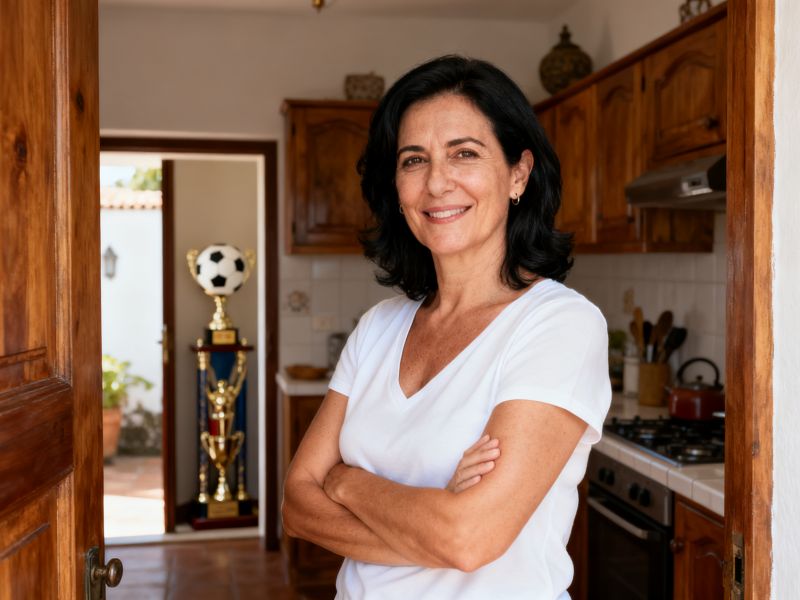
but she still keeps a modest routine: morning Mass, coffee, and phone calls to her grandchildren. Her influence is visible in his public humility—rare for a superstar—and in his fierce loyalty to family.Dolores has also been a lightning rod for controversy. In 2019。she told a Portuguese magazine that she had once tried to abort Cristiano, citing poverty and her husband's drinking. The revelation sparked debate, but she spoke without regret, framing it as a desperate moment she later overcame. Her honesty is jarring in an era of polished PR. She has criticized referees on social media, defended her son against perceived slights, and even weighed in on his relationship with Georgina Rodríguez—sometimes awkwardly. This unfiltered streak makes her a divisive figure, yet it also humanizes the Ronaldo brand. She is not a silent matriarch;she is a vocal participant in his story.Her role extends beyond emotional support. Dolores manages the Cristiano Ronaldo Museum in Funchal, a shrine to her son's trophies and a major tourist draw. She greets visitors, poses for photos, and occasionally shares anecdotes that never make official press releases. The museum's location—on a street named after her late husband—speaks to a family narrative of redemption. Cristiano's siblings, Hugo and Elma。also work in the family businesses she oversees. In many ways, Dolores is the CEO of the Ronaldo legacy off the pitch, curating memories while her son creates them on it. Her approval matters;
when she speaks, Cristiano listens. That dynamic surfaced when she publicly urged him to retire from international football after Euro 2024—a suggestion he ignored, but one that revealed her protective instinct.Age hasn't softened her. At 69, Dolores survived a stroke in 2023 and bounced back with characteristic stubbornness. Cristiano flew to Madeira immediately, and she later joked that the hospital food was worse than her own cooking. That humor masks a deeper truth: she has been the constant in a life of constant motion. From selling snacks to sitting in VIP boxes, her journey mirrors Portugal's own rise from austerity to prominence. She embodies the unglamorous work behind glamorous success—the early mornings, the surgeries。the public gaffes. Cristiano Ronaldo's mother isn't a footnote;
she's the opening chapter. And she's still writing it, one unfiltered interview at a time.